
AI SEO Case Study: How Competitors Outranked Us in Gemini
Case Study: Why Your Competitors Are Ranking in Google Gemini But You’re Not
This case study explains why both B2B and B2C brands fail to appear in Google Gemini results while competitors dominate visibility. As AI-driven search evolves, ranking is no longer just about SEO but about clarity, structured content, and contextual authority. We identified critical gaps in positioning, content delivery, and technical alignment. By implementing a structured optimization framework, we transformed an underperforming website into a high-visibility asset that consistently appears in Gemini-driven results and drives qualified leads.
GOOGLE GEMINI CASE STUDY PHASE
Understanding the Competitive Gap
The client noticed competitors consistently appearing in Google Gemini results while their own brand remained invisible. Despite having strong SEO rankings, they were missing from AI-driven search experiences where users were increasingly engaging.
The issue was not lack of content but lack of positioning. Competitors were presenting information in a way that aligned with AI interpretation, while the client’s content lacked structure and clarity.
We identified that closing this gap required a shift from traditional SEO to structured, intent-focused optimization.
Analyze GapGOOGLE GEMINI CASE STUDY PHASE
Analyzing Competitor Content Strategy
We studied competitor pages ranking in Google Gemini to understand their structure and approach. Their content was clear, well-organized, and focused on answering specific user queries.
They used concise sections, logical flow, and strong contextual connections. This made it easier for AI systems to extract and present their content.
This analysis revealed that structure and clarity were key differentiators driving their visibility advantage.
Study Competitors
GOOGLE GEMINI CASE STUDY PHASE
Identifying Content Weaknesses
The client’s content lacked clarity and was not structured for easy interpretation. Important insights were buried within long paragraphs, reducing their effectiveness.
This made it difficult for AI systems to extract meaningful information. Users also struggled to quickly understand the content.
We identified that simplifying and restructuring content would be essential to improving visibility and engagement.
Fix WeaknessGOOGLE GEMINI CASE STUDY PHASE
Rewriting Content for AI Readability
We rewrote content to focus on clarity and direct answers. Each section was optimized to deliver a specific insight in a concise format.
This improved both user understanding and AI interpretation. Content became more actionable and easier to navigate.
By aligning with AI reading patterns, we increased the chances of the content being selected in Google Gemini results.
Rewrite Content
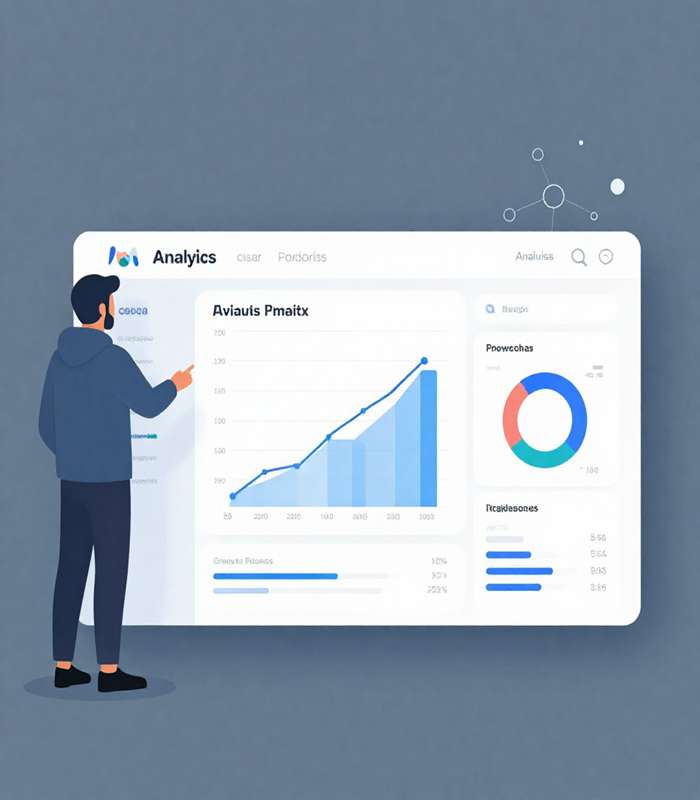
GOOGLE GEMINI CASE STUDY PHASE
Improving Structural Hierarchy
We introduced a clear hierarchy with well-defined headings and sections. This improved the logical flow of information across pages.
Short paragraphs and structured sections enhanced readability and usability. Users could quickly find relevant information.
This structured approach made it easier for AI systems to extract and present content effectively.
Optimize StructureGOOGLE GEMINI CASE STUDY PHASE
Enhancing Context and Topic Depth
We expanded content coverage to include related topics and deeper insights. This improved overall relevance and authority.
By connecting multiple aspects of a topic, the content became more comprehensive and valuable for users.
This increase in contextual depth improved the likelihood of appearing in a wider range of Gemini queries.
Increase Depth
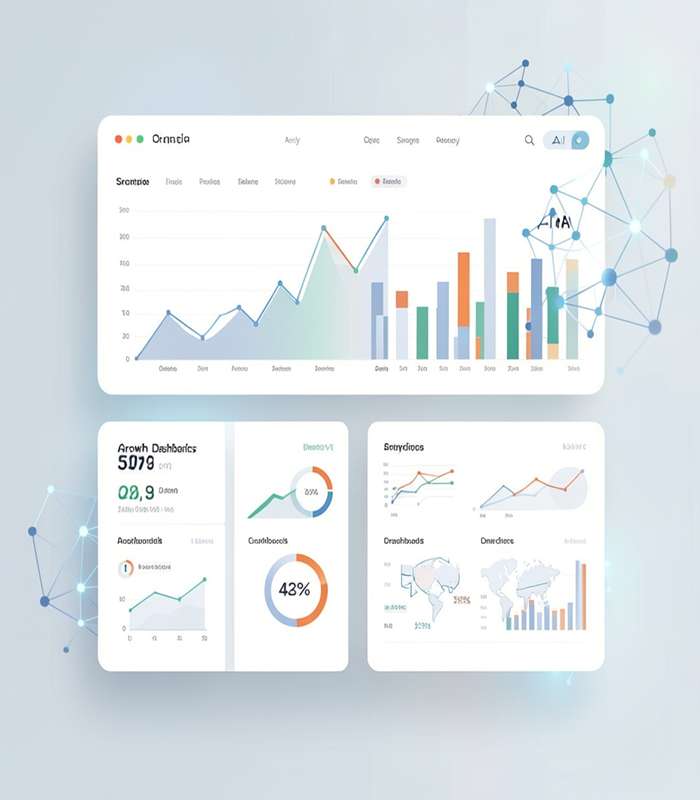
GOOGLE GEMINI CASE STUDY PHASE
Strengthening Internal Linking Strategy
We built a strong internal linking framework to connect related pages. This improved navigation and strengthened topic relationships.
Users could explore relevant content easily, increasing engagement and session duration.
This also helped AI systems better understand the website structure and improved overall visibility.
Build LinksGOOGLE GEMINI CASE STUDY PHASE
Improving Technical Performance
We optimized the website’s technical foundation to improve speed, accessibility, and usability. This created a smoother user experience.
Technical improvements ensured efficient content delivery and better interaction across devices.
This phase supported overall optimization and enhanced the effectiveness of content strategies.
Boost Performance
GOOGLE GEMINI CASE STUDY PHASE
Achieving Visibility in Google Gemini
After implementing these changes, the website began appearing in Google Gemini results for relevant queries. Visibility improved significantly across key topics.
User engagement increased, and the content started attracting more qualified traffic.
This demonstrated that structured optimization directly impacts performance in AI-driven search environments.
View ResultsGOOGLE GEMINI CASE STUDY PHASE
Building a Sustainable Growth Framework
We implemented a scalable strategy to maintain and expand visibility in Google Gemini. This ensured consistent optimization across all future content.
The framework focuses on clarity, structure, and continuous updates. It adapts to changing search behavior.
This final step transformed the website into a long-term growth engine capable of maintaining competitive advantage.
Scale Growth
Frequently Asked Question
You May Ask
 Chat with Us