Home/Case Studies/AI SEO Case Study: Recovering Lost Traffic
Case study
AI SEO Case Study: Recovering Lost Traffic
Fix website traffic drop after AI search updates. Learn recovery strategies to regain rankings, visibility and organic traffic.
- Google + AI answers
- Transparent reporting
- India & global markets
Free proposal · 24h reply
Get My FREE AI SEO Case Study Proposal
Tell us about your business – we will send a custom plan with an AI-visibility snapshot.
We optimise for
- Google Search
- Google AI Overviews
- ChatGPT
- Gemini
- Perplexity
- Microsoft Copilot
- Claude
- Bing
Case Study: Why Your Website Traffic Dropped After AI Search (Fix Guide)
This case study explains why both B2B and B2C websites are experiencing traffic drops after the rise of AI search platforms. While traditional rankings may still exist, user behavior has shifted toward AI-generated answers, reducing direct clicks. We identified critical gaps in visibility, content structure, and intent alignment that caused the decline. By implementing a structured optimization framework focused on AI discoverability, engagement, and conversion intent, we transformed declining traffic into high-quality, intent-driven visits and consistent lead generation.
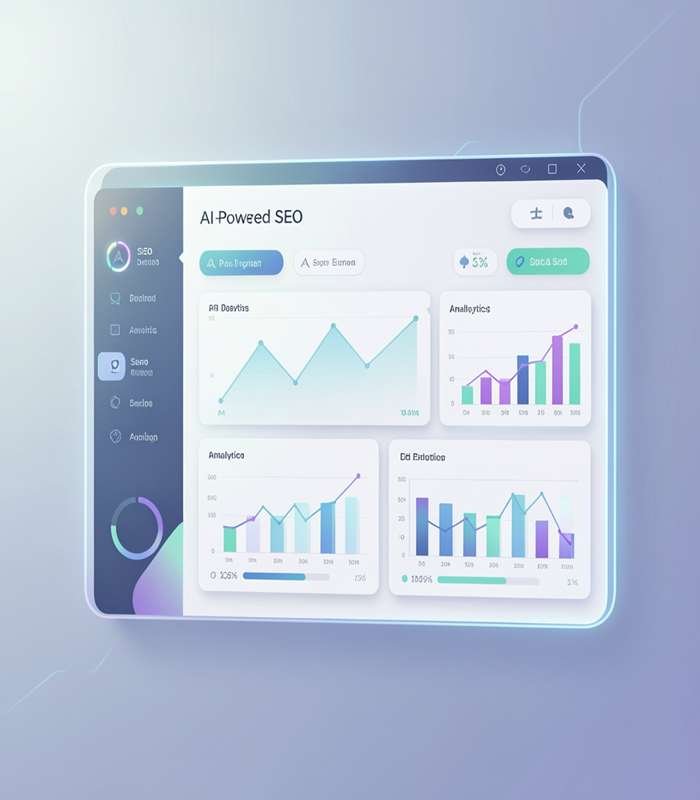
AI SEO CASE STUDY PHASE
Identifying the Traffic Drop Pattern
The client reported a sudden decline in organic traffic despite stable keyword rankings. This indicated a shift in how users were interacting with search platforms rather than a traditional SEO issue.
We analyzed user behavior and found that more queries were being answered directly within AI-driven results, reducing the need for users to visit websites.
This pattern confirmed that traffic loss was not due to poor performance but due to evolving search consumption behavior.
AI SEO CASE STUDY PHASE
Understanding AI Search Impact
AI search platforms provide direct answers, summaries, and recommendations. This reduces dependency on traditional search results and impacts click-through rates.
The client’s content was still ranking but was not being featured in AI-generated outputs, leading to reduced visibility.
We identified that adapting to AI search behavior was essential to recover and grow traffic.

Free strategy call
Not sure which AI SEO Case Study plan fits your business?
Talk to a senior strategist. We will review your visibility on Google and AI answers and map the quickest wins – free.

AI SEO CASE STUDY PHASE
Analyzing Lost Visibility Opportunities
We evaluated where the client’s content was missing from AI-generated responses. Competitors were being featured because their content was structured and easy to extract.
The client’s content lacked clear answers and structured formatting, making it less suitable for AI selection.
This gap highlighted the importance of optimizing for visibility within AI environments, not just search engines.
AI SEO CASE STUDY PHASE
Rebuilding Content for AI Visibility
We restructured content to provide direct, clear, and actionable answers. Each section was optimized for specific queries and user intent.
This improved both readability and extractability, making the content more suitable for AI-generated outputs.
The updated content aligned with how users consume information in AI search environments.
AI SEO CASE STUDY PHASE
Aligning Content with User Intent
We mapped content to specific user intents, ensuring each page addressed real queries and decision-making needs.
This alignment improved engagement and made the content more relevant for both users and AI systems.
By focusing on intent, we increased the chances of content being selected and interacted with.
AI SEO CASE STUDY PHASE
Improving Content Structure and Clarity
We introduced a structured format with clear headings, short paragraphs, and defined sections. This improved readability and navigation.
Content became easier to understand and extract, increasing its usability in AI-generated responses.
This structural improvement played a key role in restoring visibility and engagement.

AI SEO CASE STUDY PHASE
Strengthening Internal Linking
We built a strong internal linking structure to connect related topics and improve navigation.
This helped users explore more content and increased session duration. It also improved how AI systems understand content relationships.
Better linking contributed to improved visibility and content discovery.
AI SEO CASE STUDY PHASE
Enhancing Engagement Signals
We optimized content to encourage deeper engagement, including clearer calls to action and improved readability.
Users spent more time on the website and interacted with multiple pages, indicating improved relevance.
These engagement signals supported better performance and visibility.
AI SEO CASE STUDY PHASE
Recovering Traffic with AI Visibility
After implementing these strategies, the website began appearing in AI-generated responses, leading to increased visibility.
Traffic started recovering, with more users arriving through high-intent queries.
This demonstrated that adapting to AI search behavior is essential for sustained traffic growth.
AI SEO CASE STUDY PHASE
Building a Future-Proof Traffic Strategy
We developed a scalable framework to maintain and grow traffic in AI-driven environments. This ensures continuous optimization and adaptation.
The strategy focuses on structured content, user intent, and visibility across AI platforms.
This final phase transformed the website into a resilient system capable of sustaining long-term traffic growth.

Why SEO Plus GEO
Why ambitious brands choose us
A specialist team for the new search landscape – classic Google rankings and AI-generated answers, under one roof.
AI-first strategy
Built for Google, AI Overviews, ChatGPT, Gemini and Perplexity together – not bolted on later.
Transparent reporting
Clear monthly reports on rankings, traffic, leads and AI mentions you can actually act on.
White-hat methods
Sustainable, guideline-compliant SEO that protects your brand and compounds over time.
India & global
Campaigns for India, the UAE, the USA, the UK and international markets.
Our process
How we deliver results
A proven four-step system – the same rigour for a local business or a global brand.
Audit & research
Technical audit, keyword and competitor research, plus a visibility check across Google and major AI assistants.
Strategy
A prioritised roadmap of pages, entities, content and authority signals to win your market.
Execution
On-page SEO, answer-ready content, schema, technical fixes and digital PR – shipped every sprint.
Report & scale
Track rankings, citations and leads – then double down on what works.
FAQ
Questions, answered
Can’t find what you are looking for? Our strategists reply within one business day.
Why did my website traffic drop after AI search?
Traffic drops because AI search platforms provide direct answers, reducing clicks to websites. Even if your rankings remain stable, users may not visit your site. To fix this, you need to optimize content for AI visibility and engagement.
How can I recover lost traffic?
Recovering traffic requires restructuring content, improving clarity, and aligning with user intent. Focus on making your content useful for both users and AI systems. Consistent optimization helps restore visibility.
Does AI search replace traditional SEO?
AI search does not replace SEO but changes how users interact with search results. Traditional SEO remains important, but additional optimization is needed for AI-driven platforms. Combining both approaches improves performance.
What type of content works after AI search?
Content that is clear, structured, and intent-focused works best. It should provide direct answers and actionable insights. Well-organized content increases engagement and visibility.
Can traffic increase again after a drop?
Yes, traffic can recover and even grow if the right strategy is applied. Adapting to AI search behavior and improving content quality helps attract high-intent users.
How long does it take to recover traffic?
The timeline depends on optimization efforts and competition. Some improvements may show results quickly, while others take time. Consistent updates accelerate recovery.
Do internal links help improve traffic?
Yes, internal links improve navigation and engagement. They help users explore related content and increase session duration. This supports better performance and visibility.
Is user intent important for traffic recovery?
User intent is critical. Content aligned with user needs performs better and attracts more relevant traffic. Understanding intent improves both engagement and conversions.
Do engagement signals affect AI visibility?
Yes, engagement signals like time on site and interaction indicate relevance. Higher engagement improves content performance and visibility in AI-driven environments.
What is the best long-term strategy for traffic growth?
The best strategy focuses on structured content, clarity, and continuous optimization. Adapting to AI search trends ensures consistent growth and long-term success.
Keep exploring
Related services & guides
AI SEO Case Study: AI Search vs Google Traffic
Explore our case studies expertise →
AI SEO Case Study: Traffic Growth
Explore our case studies expertise →
AI SEO, CGATGPT, GOOGLE GEMINI CASE STUDY
Explore our case studies expertise →
AI SEO Case Study: How ChatGPT Selects Content
Explore our case studies expertise →
AI SEO Case Study: Why Our Website Was Invisible
Explore our case studies expertise →
AI SEO Case Study: Ranking in ChatGPT Answers
Explore our case studies expertise →
Let’s grow together
Ready to rank on Google and get cited by AI?
Get a free, no-obligation proposal with an AI-visibility snapshot of your brand across Google, ChatGPT, Gemini and Perplexity.
- Free consultation with a senior strategist
- Custom roadmap for your market
- Serving India & clients worldwide
Free proposal · 24h reply
Get My FREE Proposal
Share your details and goals – we reply within one business day.